Day 1
While the meeting officially started on Thursday, those eager for even more hematology-related content had three different options to choose from on Wednesday: The China-Japan Joint Workshop on Stem Cells and Cell Therapy, the iPSC-derived Hematopoiesis Symposium, and the Pre-Meeting Workshop (PMW).
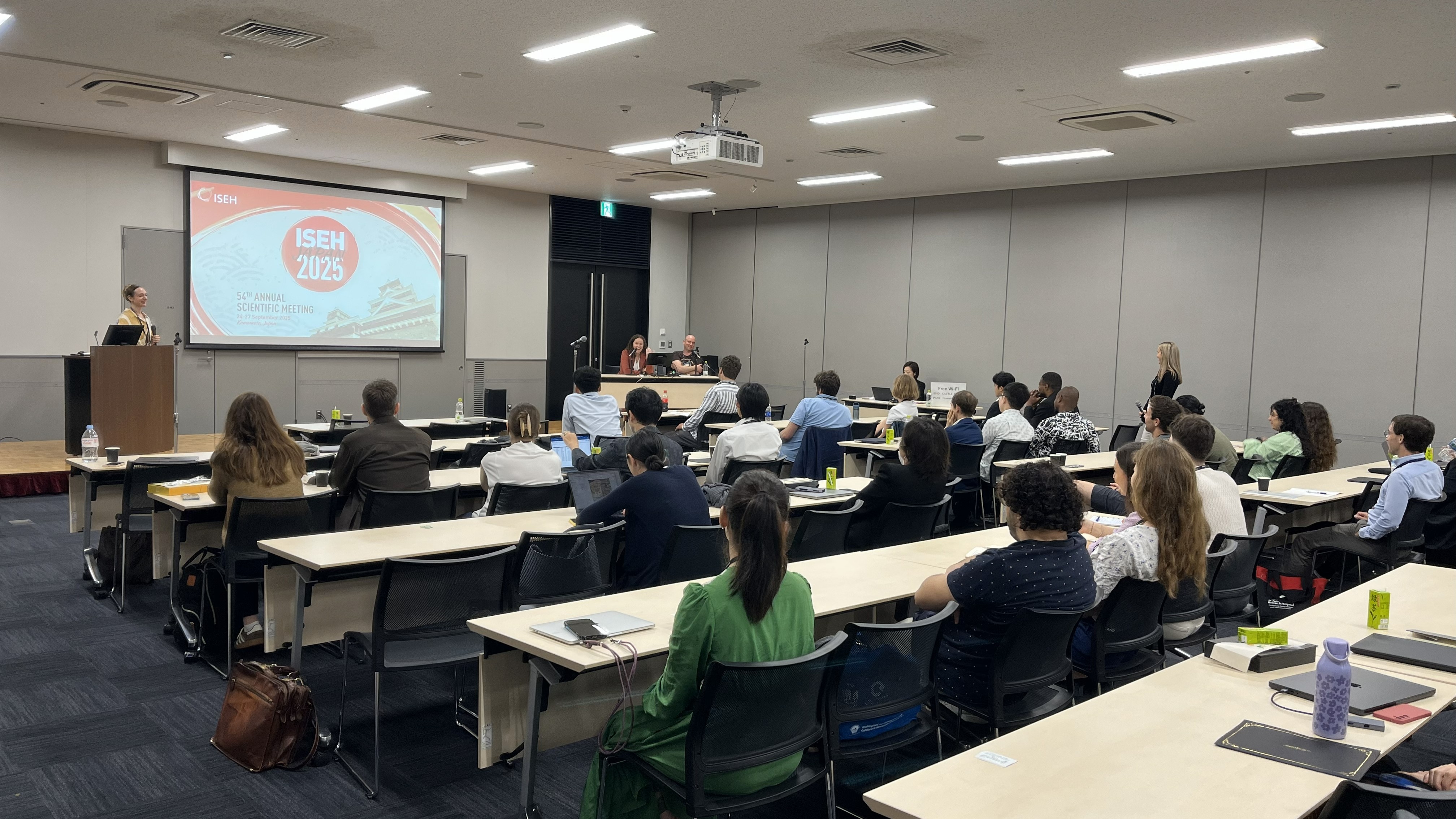
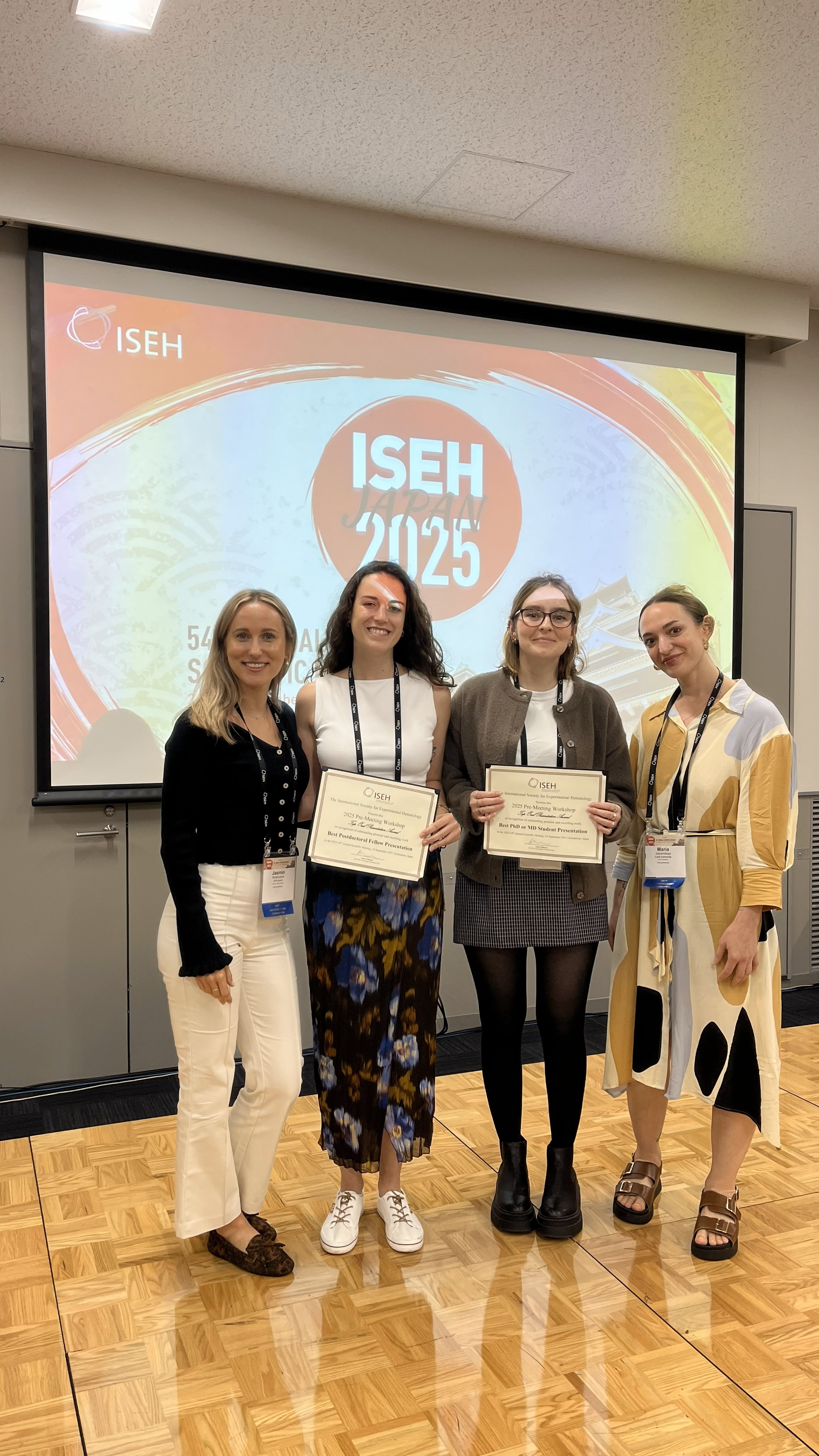
The PMW, organized by Drs. Adam Wilkinson, Megan Bywater, and Ayako Nakamura-Ishizu together with the New Investigator Committee (NIC) kicked off with short talks from junior investigators. On the student side, we heard from Lena Bognar, Lauren Murphy and Makayla Pardo, who spoke about the role of EVI1 in modulating the DNA damage response, an unexpected role for platelets in sequestering free DNA in the plasma, and the role of the bone marrow (BM) niche in acute myeloid leukemia (AML), respectively. Next up were the postdoc talks: Dr. Marius Külp shared his work on how differential tRNA expression controls cell state and specification, and Dr. Mari Carmen Molero Romero presented fascinating new insight into the metabolome of human HSPCs. The last speaker, Dr. Shinya Yari, spoke about using a novel technique termed Image-seq to study the fate of individual hematopoietic stem cells (HSCs) in the BM. Dr. Lauren Murphy and Dr. Mari Carmen Molero Romero were awarded “Best short talk” and Dr. Murphy was given the opportunity to present her work on the last day of the main meeting.
These six excellent short talks were followed by a keynote lecture organized by the NIC. This year’s theme, “Cultivating Resilience in Science,” was explored in a joint presentation by Drs. Zuzana Tothova and Edwin Hawkins, chaired by NIC members Drs. Jasmin Rettkowski and Maria Jassinskaja. Drs. Tothova and Hawkins shared both professional and personal reflections on their scientific journeys in an engaging and thought-provoking manner, offering valuable insights during the panel discussion that followed.
The final item on the PMW agenda was a poster session, where presenters received in-depth feedback from participating faculty – perfect preparation for the upcoming poster sessions at the main meeting.
The winners from the PMW poster session were Cih-Li (Amy) Hong, Alban Johansson, and Gordon Wong.
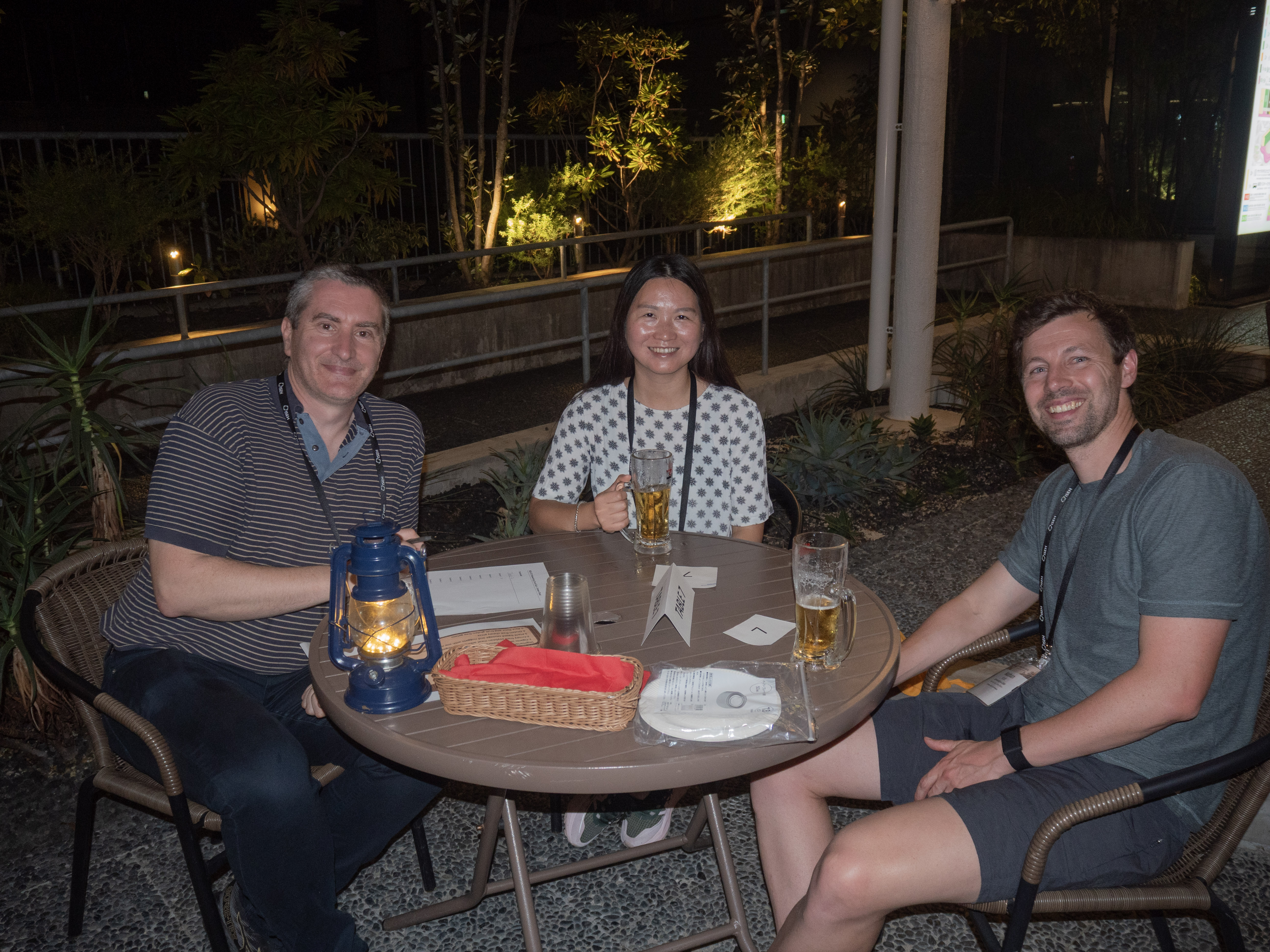
Day 1 concluded with a lively mixer hosted by the Junior Faculty Committee. Participants enjoyed food, drinks, and a fun (and humbling!) quiz that put their knowledge of ISEH history to the test.
Day 2
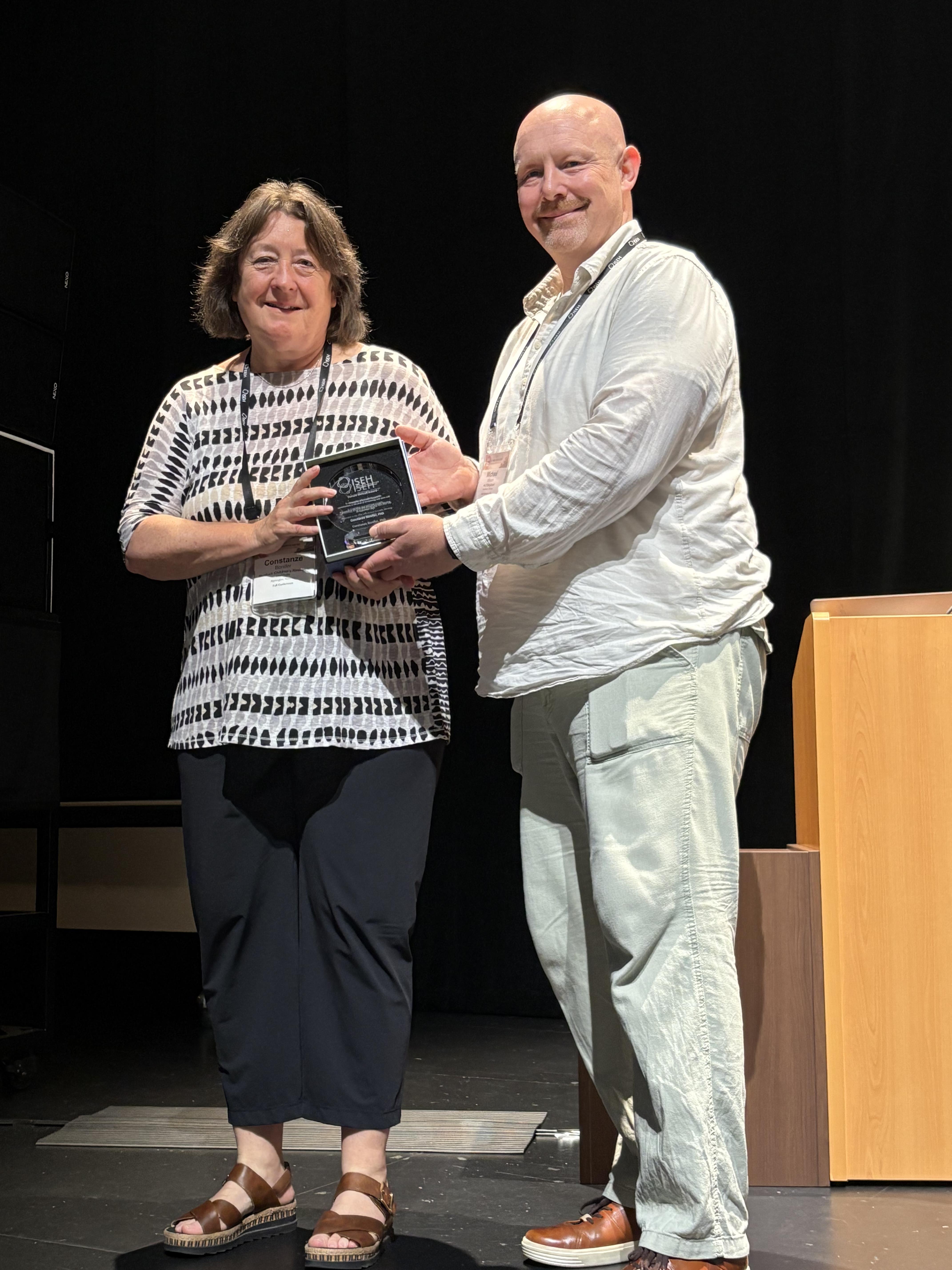
The official start of the ISEH 2025 Annual Meeting - and what a fantastic start it was! The day opened with a lecture from the 2025 Donald Metcalf Award recipient, Dr. Constanze Bonnifer, who highlighted the transformative insights gained from early studies of single genes regulating hematopoietic development.
Following the award lecture, we moved into a scientific session on Red Blood Cells and Platelets. Invited speakers Dr. Hozumi Motohashi and Dr. Sherry Hsiang-Ying Lee presented their latest work on mitochondrial regulation of cell fate decisions in the megakaryocyte-erythroid lineage and the interplay between immune and erythroid cells in pure red cell aplasia, respectively.
The momentum continued into the Presidential Symposium, where ISEH President Shannon McKinney-Freeman had invited three distinguished speakers: Drs. John Tisdale, Hanna Mikkola, and Sean Morrison. Dr. Tisdale provided a sweeping overview of the history and current landscape of gene therapy for sickle cell disease. Dr. Mikkola explored human HSC ontogeny and its relevance to juvenile leukemias, while Dr. Morrison shared new findings from his lab on how specific niche populations support both HSC maintenance and terminal differentiation.
During lunch, the NIC hosted our annual New Investigator Career Session. This year’s event, moderated by Drs. Ran Jing and Kohei Shiroshita, featured three speakers: Dr. Akiko Kimura (Senior Medical Director at Takeda), Dr. Koji Eto (Professor at Kyoto University), and Dr. Jennifer Trowbridge (Professor at the Jackson Laboratory). Each panelist shared personal reflections on their career journeys - spanning global biopharmaceutical development, biotechnology entrepreneurship, and academic research leadership - offering trainees a wide-angle view of the opportunities available within and beyond academia. Dr. Trowbridge offered valuable guidance on establishing a research program, mentoring teams, and navigating advancement within academic institutions. Dr. Eto placed particular emphasis on the role of curiosity as the driving force behind scientific discovery and career choices and discussed the challenges and rewards of building a company grounded in stem cell science. Dr. Kimura highlighted the collaborative, cross-functional nature of industry roles and provided concrete advice for transitioning from academic training to medical and clinical development positions.
The Q&A portion centered heavily on the decision-making process between pursuing an academic versus an industry career, reflecting a common point of uncertainty among trainees. Panelists compared the cultures, expectations, and skill sets valued in each sector and shared practical recommendations on how young scientists can prepare for either path.
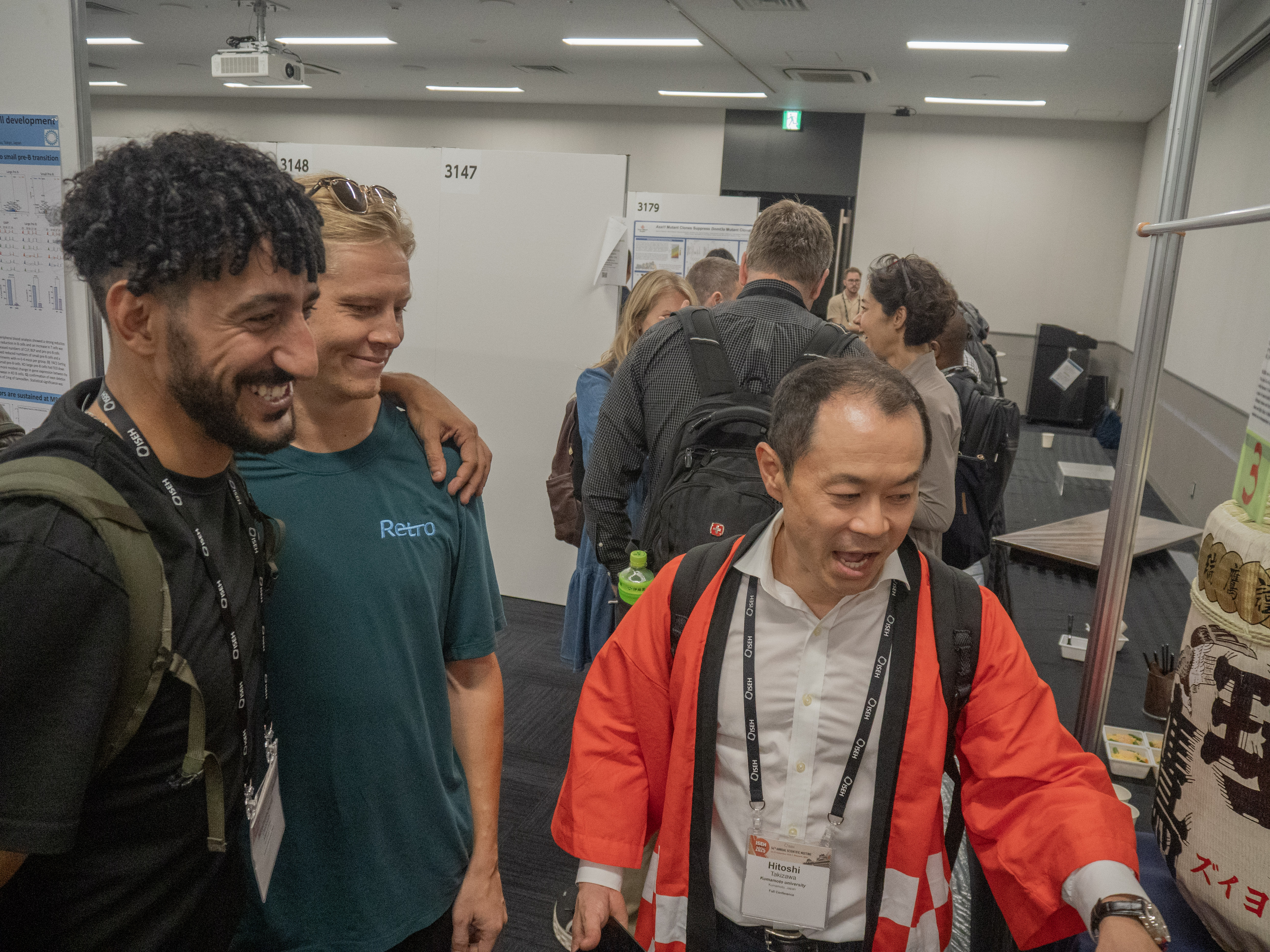
Up next was the Paul S. Frenette Lecture, where invited speaker Dr. Lachelle Weeks spoke about the connection between sickle cell disease and risk for developing myeloid malignancies. The final scientific session of the day was the Joint ISEH/JSH Symposium on Stress Hematopoiesis. Here, Dr. Toshio Suda presented his research on the drivers of HSC self-renewal across the lifespan - from fetal development through adulthood and into aging. Dr. Hitoshi Takizawa followed with compelling work showing how head shielding during irradiation can improve outcomes in HSC transplantation.
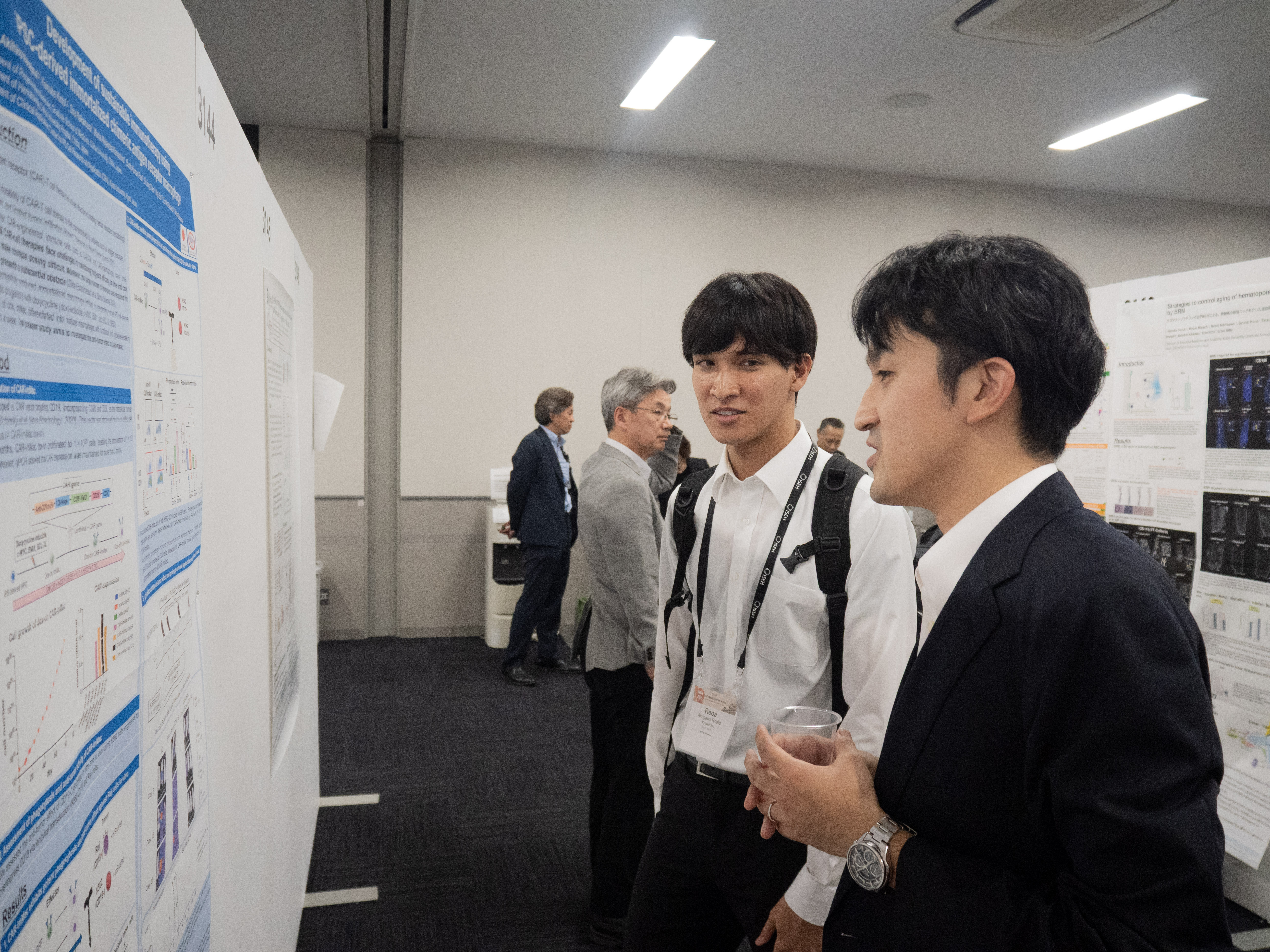
Day 2 concluded with a lively poster session and mingle. Attendees alternated between engaging scientific discussions at the 248 posters and enjoying sake tasting and delicious finger foods - a perfect ending to an energizing first day.

Day 3
Day 3 opened with the Meet the Experts Breakfast mixer. We may be slightly biased as the committee organizing the event, but it was truly one of our favorites of the entire ISEH 2025 Annual Meeting. NIC members Drs. Jasmin Rettkowski and Maria Jassinskaja chaired the session, which featured ten experts selected by the NIC: Drs. Conny Bonifer, Ulrich Steidl, Adam Wilkinson, Vanessa Scanlon, Shannon McKinney-Freeman, Jennifer Trowbridge, Marta Derecka, Joan Yuan, Gerald de Haan, and Atsushi Iwama. The 30 participants had the opportunity to meet with at least three of these experts, and discussions were so engaging that many of us barely made it in time for the first scientific session of the day!
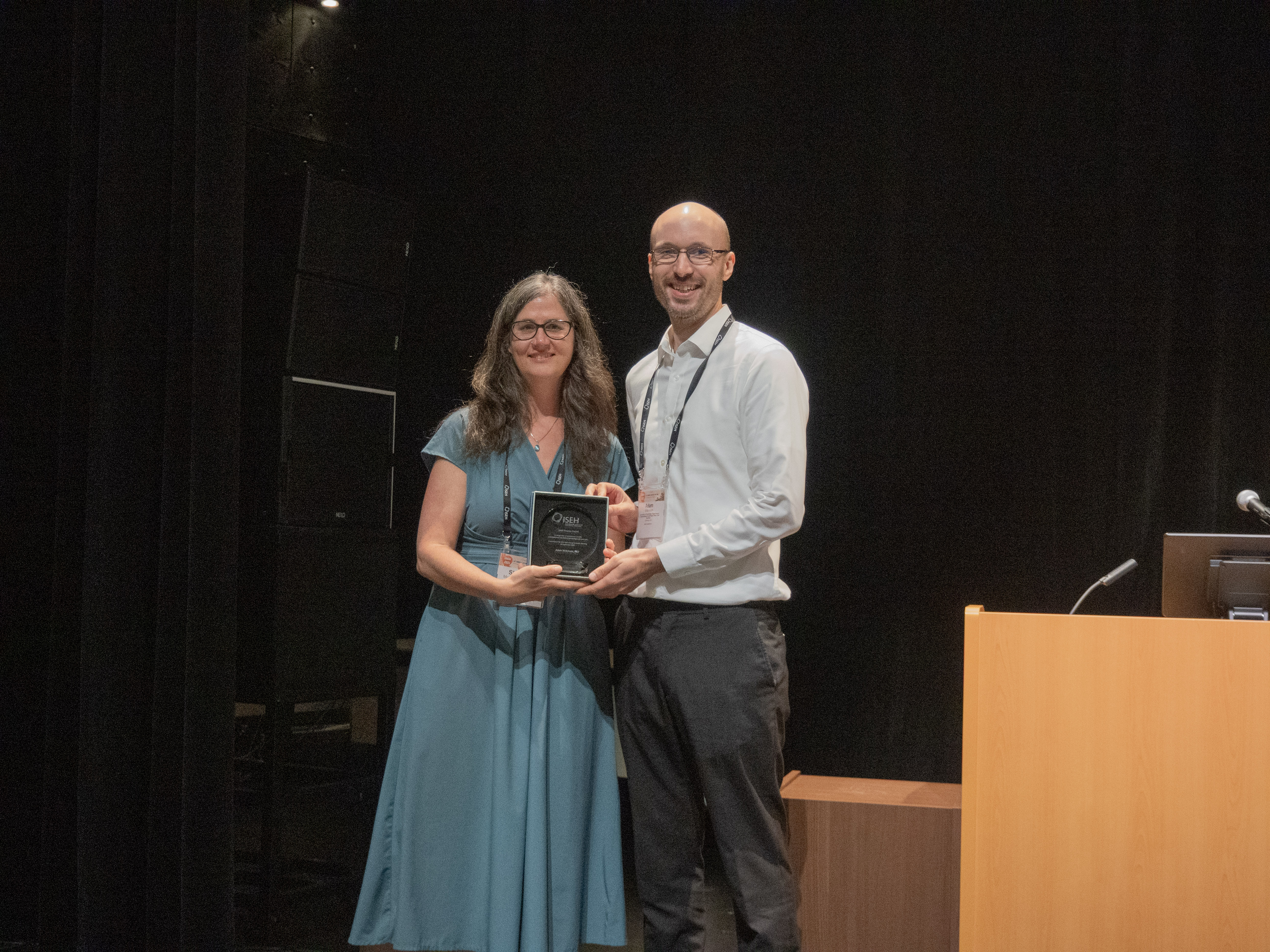
The day continued with several concurrent sessions before bringing all attendees together again for the Janet Rowley Award Lecture, followed by a scientific session on Stem and Progenitor Biology. The 2025 Janet Rowley Award recipient, Dr. Adam Wilkinson, presented his work on ex vivo HSC expansion and highlighted how the groundbreaking culture system his group established in 2019 is now being used to study both normal and malignant blood stem cell biology.
Immediately afterward, we heard from Drs. Camilla Forsberg and Satoshi Yamazaki. Dr. Forsberg spoke about a megakaryopoiesis pathway directly from aged HSCs generating hyperactive platelets, while Dr. Yamazaki presented fascinating new technology enabling absolute quantitative assessment of HSCs.
The evening of Day 3 featured the remaining poster presenters and offered yet another fantastic blend of science, networking, and sake.
Day 4
The last day of the ISEH 2025 Annual Meeting opened with the New Investigator Award Session, chaired by Dr. Katrin Ottersbach together with NIC member Dr. Maria Jassinskaja. The session began with the NIC invited speaker for 2025, Dr. Shalin Naik from WEHI in Australia. Drawing on his extensive experience with single-cell profiling of the hematopoietic system, Dr. Naik proposed a new model for the hematopoietic hierarchy - sparking lively discussion with the audience.
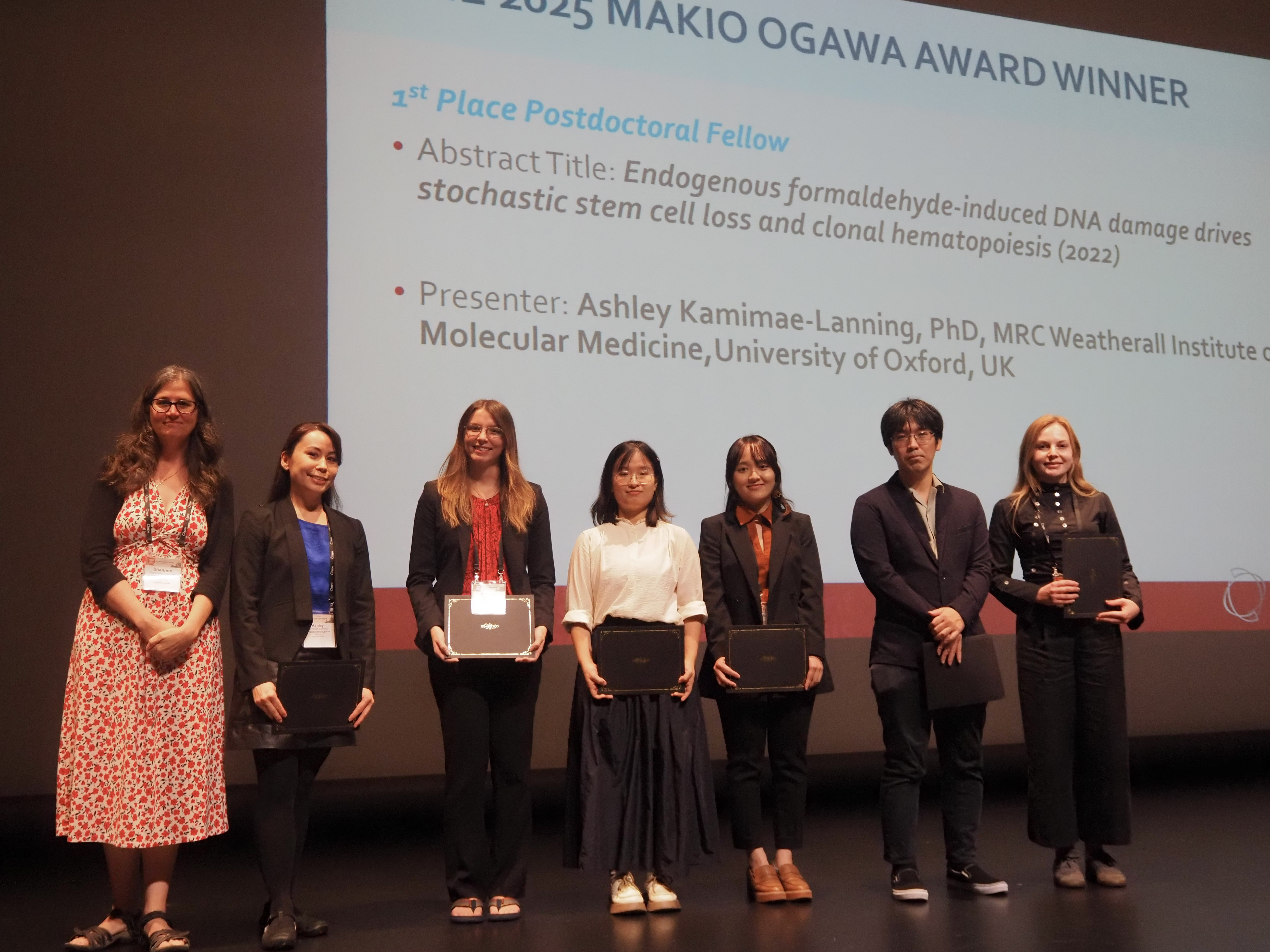
Following his talk, we heard presentations from the three PhD students and three postdocs who received the highest-scoring abstracts. PhD presenters Arianna Smith, Chang Xu, and Cih-Li (Amy) Hong each delivered excellent talks on niche biology, a theme that nicely unified their diverse research. The postdoctoral presenters - Drs. Ashley Kamimae-Lanning, Tsuyoshi Fukushima, and Marija Zarocsinceva - followed with equally impressive talks. Dr. Kamimae-Lanning shared her work on DNA damage in clonal hematopoiesis, while Dr. Fukushima discussed HSC fate transitions, and Dr. Zarocsinceva presented on juvenile myelomonocytic leukemia. Cih-Li (Amy) Hong took home the student first prize, and Dr. Ashley Kamimae-Lanning won the postdoc prize.
The next session, the Joint EHA-ISEH Symposium on Epigenetic Regulation and Therapeutic Vulnerabilities in AML, featured invited speakers Drs. Florian Perner and Zuzana Tothova. Dr. Tothova presented her latest findings on cohesin-mutated myeloid malignancies, and Dr. Perner offered new insights into the mechanisms underlying menin inhibitor therapy.
During the final lunch break of the meeting, the NIC hosted a Technology Session focused on advances in imaging technologies. Chaired by Drs. Kohei Shiroshita and Jasmin Rettkowski, the session featured three speakers working at the forefront of imaging innovation. Dr. Shinya Fujita presented a novel method for in vivo imaging; Dr. Shinya Yari introduced Image-seq, a technique pioneered in his postdoctoral lab; and Cih-Li (Amy) Hong showcased innovative tools to study micro-anatomical bone marrow niches. In the panel discussion that followed, all three speakers openly shared both the strengths and challenges of their methods, offering valuable practical perspectives for researchers performing hands-on imaging work.
The next plenary session, centered on Clonal Hematopoiesis and Aging, featured talks from Drs. Jennifer Trowbridge, Toshio Kitamura, and Isabel Beerman. Dr. Trowbridge discussed how the bone marrow niche responds to blood cells carrying CH driver mutations, particularly loss-of-function mutations in Dnmt3a. Dr. Kitamura focused on ASXL1-mutant CH and its elevated risk of transformation to AML, while Dr. Beerman presented new insights into the methylation landscape of aged HSCs.
PMW winner Lauren Murphy opened the final scientific session of the meeting, giving attendees another opportunity to hear her outstanding talk, where she discussed how platelets actively sequester DNA and how this can be used for early cancer detection. She was followed by Drs. Keiyo Takubo and Jason Butler in a session devoted to the Hematopoietic Microenvironment. Dr. Takubo presented exciting work identifying novel HSC-expanding molecules, further contributing to the rapidly advancing field of ex vivo HSC expansion. Dr. Butler shared his group’s latest research on the role of endothelial cells in the aging bone marrow niche. The session concluded with a compelling presentation from the McCulloch and Till 2025 awardee Dr. Uli Steidl, who discussed transcriptional plasticity of HSCs in both normal and malignant contexts.
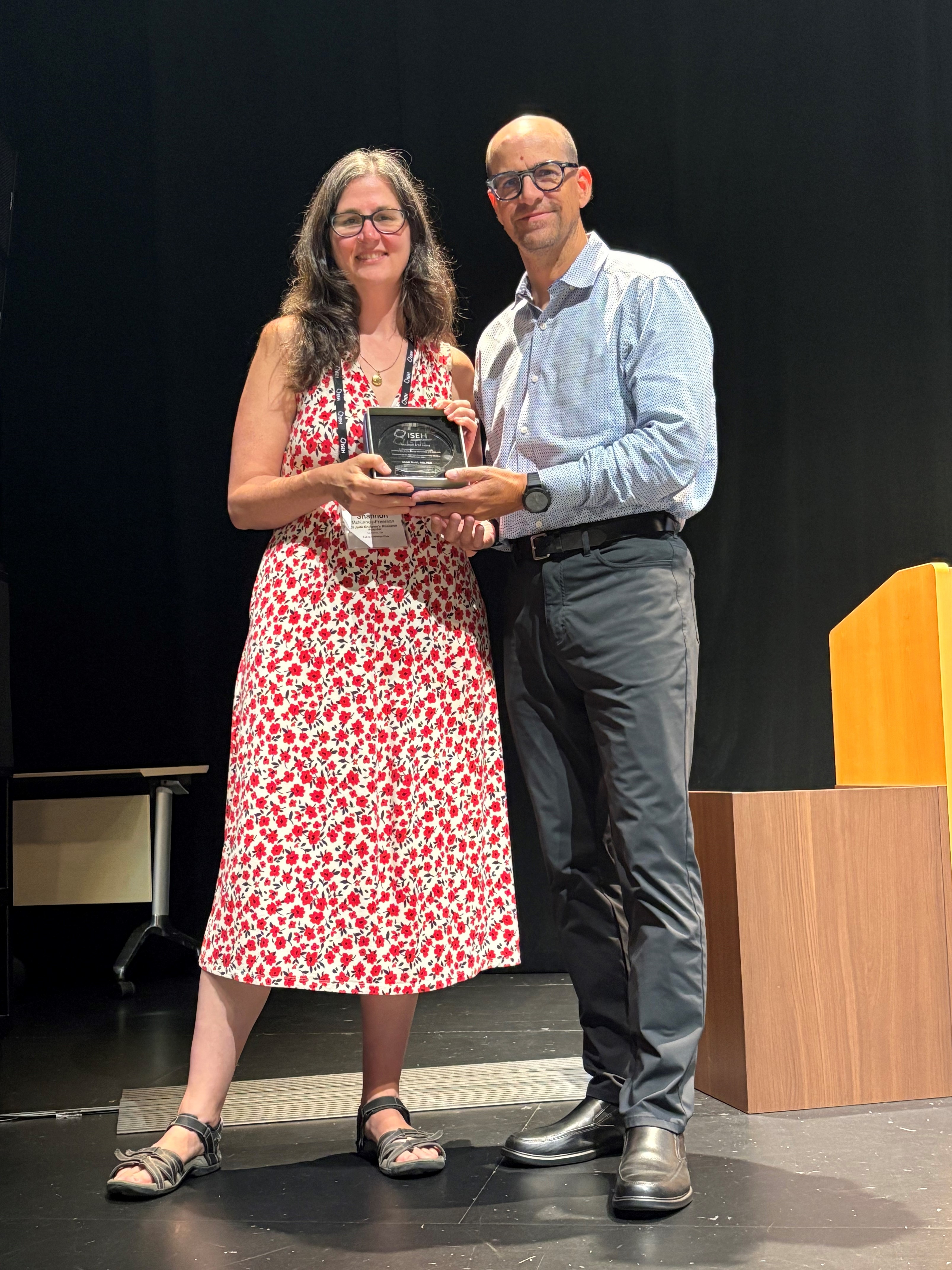
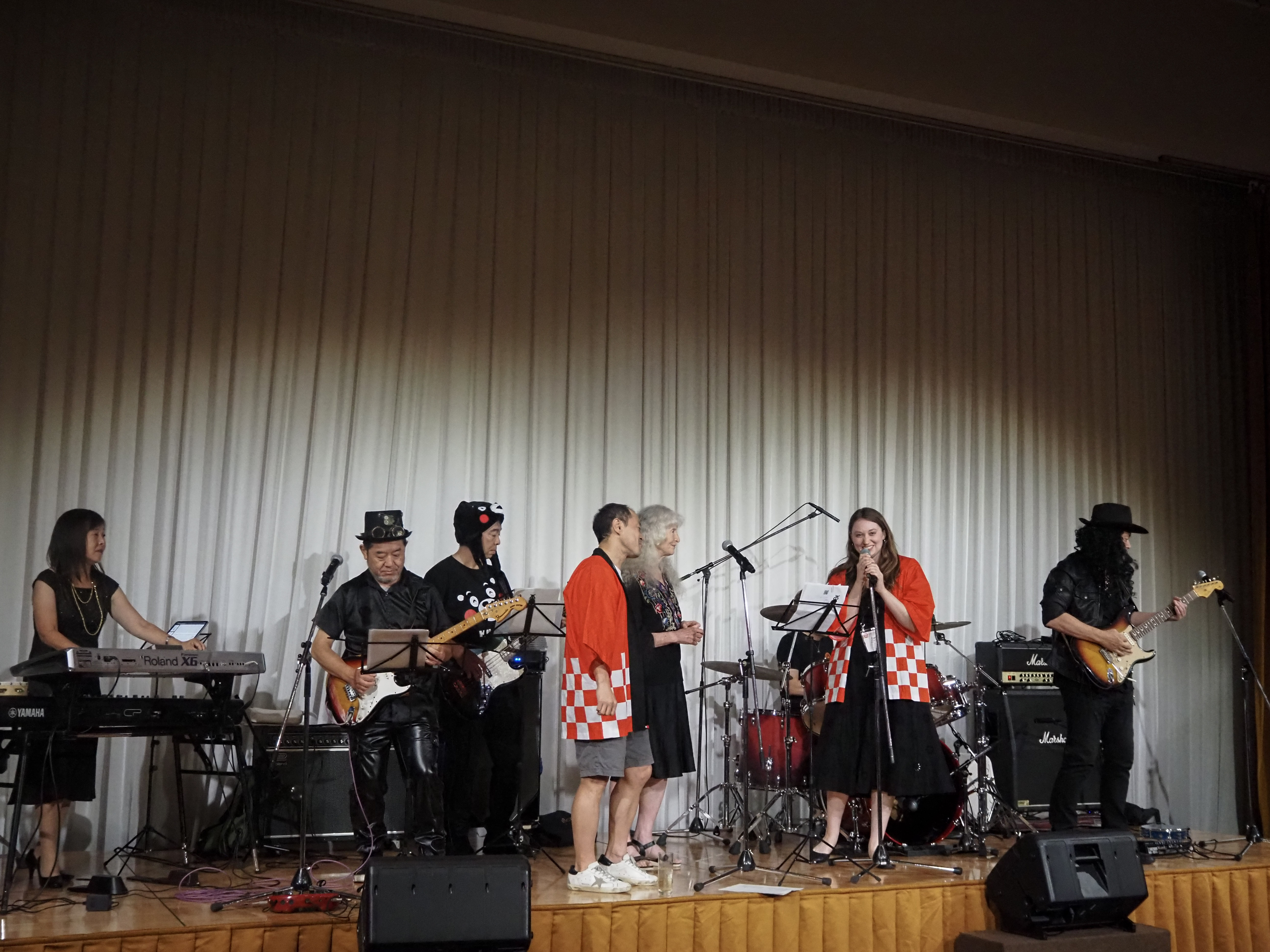
Although the scientific program had come to an end, the festivities certainly had not. The ISEH 2025 Annual Meeting closed with a truly memorable celebration at the Kumamoto Hotel Castle, complete with traditional Japanese sword-fighting (Niten Ichi-ryu), a Haiya dance performance, and an unforgettable set by the band Negative Selection - featuring vocals by Dr. Ellen Rothenberg, Dr. Hitoshi Takizawa and ISEH’s own Cara Trauscht - followed by dancing to DJ Mickey. Rumor has it that for many attendees, the night continued long after the official party ended, in a karaoke bar somewhere in Kumamoto…
Blog post contributed by Maria Jassinskaja, Ran Jing, Jasmin Rettkowski, Marcel Rommel, and Kohei Shiroshita of the ISEH New Investigators Committee.
Please note that the statements made by Simply Blood authors are their own views and not necessarily the views of ISEH. ISEH disclaims any or all liability arising from any author's statements or materials.