 The recipient of the 2026 Donald Metcalf Award is Professor Ellen Rothenberg for her pioneering contributions to decoding the regulatory logic that drives multipotent cells toward a lymphoid cell fate. While much of the early history of the experimental hematology field focused on the extrinsic factors that stimulate cell growth - paralleling the legacy of Don Metcalf himself - Dr. Rothenberg’s work has provided the essential "internal" counterpart for T cell development. She has spent her career answering a fundamental question in hematology: How does a multipotent progenitor translate a collection of external signals into a single, largely irreversible, developmental choice down the lymphoid path?
Ellen undertook a PhD with David Baltimore at MIT and her postdoctoral research with Edward Boyes at Sloan Kettering. While not formally engaged in experimental hematology during these periods, she was always peripherally linked to the immune system and upon starting her own group (1979 at the Salk Institute and 3 years later at Caltech where she remained for the next 40 years), the origins and products of the immune system became her focus.
In particular, Ellen's lab has undertaken a meticulous dissection of the T-cell lineage commitment process which has become the gold standard for lineage specification across many hematopoietic branches. Integrating high-resolution kinetic assays with sophisticated gene regulatory network (GRN) modeling, she has shown that lineage commitment is not just a single "switch," but a protracted, multi-stage competition amongst potential transcription factor complexes. Professor Rothenberg’s work was instrumental in mapping cell state transitions, especially through the DN2 and DN3 stages, identifying the precise molecular gatekeepers which combine at each checkpoint. Moving well beyond T cell commitment, she pioneered the use of "logic gates" to describe how factors like PU.1, GATA-3, Erg, Bcl11b, and Runx1 interact. This systems-level approach has provided the ISEH community with a framework to understand how these factors and their mutated versions can lead to lineage infidelity and leukemogenesis.
Dr. Rothenberg’s conceptual impact is rooted in a deep commitment to experimental precision, including single-cell analyses and live-cell imaging to capture the stochastic nature of hematopoietic decisions. Her work spans classical developmental biology and modern computational immunology, making the complex transitions of the blood system understandable in mathematical terms. As we celebrate this 2026 Metcalf Award winner, we honor a scientist whose work has not only mapped the "how" of lineage commitment but has also redefined our understanding of the very nature of cell state within the hematopoietic hierarchy.
"She is one of the pioneers applying the concept of gene regulatory networks to her work. In addition, her studies on the interaction of TFs with chromatin and how T cells shut down other developmental programs is of the utmost importance of our understanding how cell fates are decided at the molecular level. Finally, she is an outstanding speaker who radiates enthusiasm. I can't wait to hear her Award lecture." - Constanze Bonifer
McCulloch and Till Award Winner - Eirini Papapetrou, MD, PhD
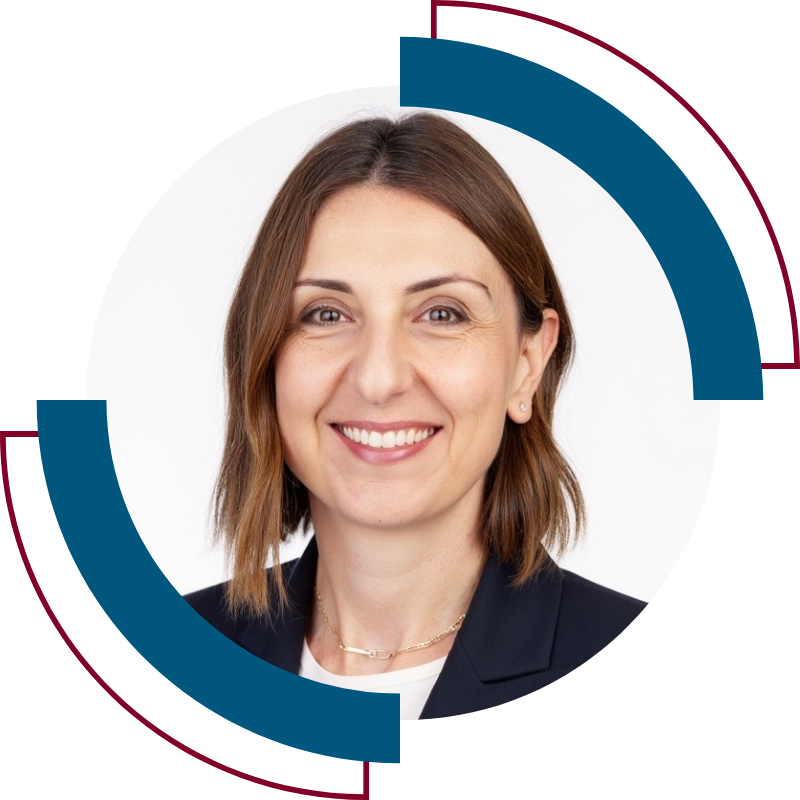 Dr. Eirini Papapetrou of the Icahn School of Medicine at Mount Sinai has been selected as this year’s recipient of the McCulloch and Till Award. Dr. Papapetrou is being recognized for her innovative and high impact achievements in leveraging induced pluripotent stem cells (iPSCs) to model and study the mechanisms of myelodysplasia (MDS) and acute myeloid leukemia (AML).
After training in clinical hematology and subsequently specializing in stem cell biology and genome engineering in the laboratory of Dr. Michel Sadelain at Memorial Sloan Kettering Cancer Center, Dr. Papapetrou established her independent laboratory in 2012. From the outset, she focused her efforts on modeling myeloid malignancies from human iPSCs. This work sits squarely in the tradition of Till and McCulloch, whose pioneering work first revealed the existence of hematopoietic stem cells (HSCs) and established the clonal basis of blood diseases — principles that remain the foundation of experimental hematology today. Dr. Papapetrou's contribution has been to bring that same rigorous, clonally resolved thinking into the era of patient-derived cellular models and precision genomics.
At the time she began this work, iPSC technology was relatively new and had been applied almost exclusively to inherited monogenic disorders — its potential in cancer biology had yet to be realized. A central challenge was that reprogramming malignant cells was far more challenging than reprogramming non-cancerous cells, due to their clonal heterogeneity, complex genomes and tendency to silence or lose their disease-causing mutations during reprogramming. Overtime, Dr. Papapetrou developed a meticulous protocol that involved screening many reprogrammed clones to carefully identify those harboring the disease-relevant mutations. This, combined with the innovation of targeting patient cells with CRISPR/Cas9-mediated gene editing, allowing her to engineer precise, isogenic cellular systems in which the contribution of individual driver mutations could be studied in a controlled and faithful genomic context. Her early landmark papers in Nature Biotechnology (2015) and Cell Stem Cell (2017) established the first iPSC-based models of MDS and AML, demonstrating for the first time that these cells could recapitulate key hallmarks of malignant blood diseases at the phenotypic, molecular, and chromatin level.
She has since developed a suite of powerful tools to uncover disease mechanisms and identify new therapeutic targets for AML, MDS, inherited bone marrow failure syndromes, and clonal hematopoiesis. A defining recent achievement is a Nature publication showing that RAS mutations transform committed granulocyte-monocyte progenitors into leukemia stem cells with monocytic differentiation, driving clinical resistance to venetoclax. By disentangling the effects of mutational status from those of differentiation stage — something uniquely possible with iPSC models — her team resolved longstanding contradictions in the field and provided a unified framework with direct implications for how patients are stratified in venetoclax-combination therapies.
Dr. Papapetrou has also been a dedicated and generous contributor to ISEH, co-founding with Dr. Sergei Doulatov an annual symposium on human iPSC-derived hematopoiesis, which has become an essential gathering for the international stem cell and hematopoiesis community. We are delighted to celebrate her with this award!
"Dr. Papapetrou pioneered the use of induced pluripotent stem cells (iPSC) as way to study human leukemias. Using the iPSC model, she has made seminal contributions to understanding how the type and order of genetic mutations programs leukemogenesis. By generously sharing these reagents, she has also helped promote wider adoption of the iPSC technology in the hematology community." - Sergei Doulatov
Janet Rowley Award Winner - Beth Psaila, MD, PhD
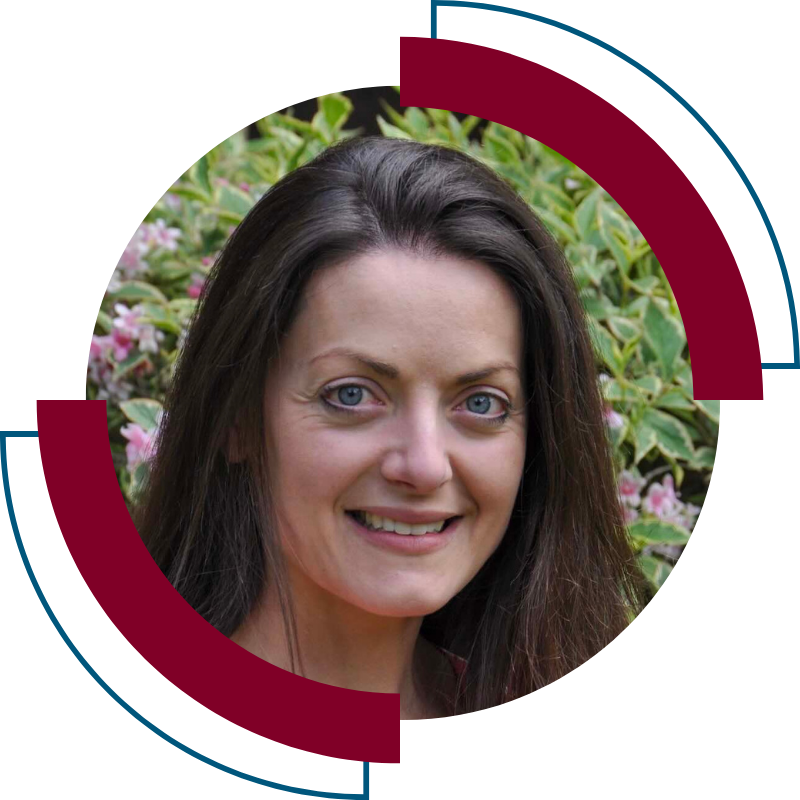 This year’s Janet Rowley Award is presented to Dr. Bethan Psaila for her ground-breaking and truly original work, covering myeloproliferative neoplasms, the microenvironment and megakaryocyte/platelet biology - research from discovery all the way to applications in clinical trials and commercialisation.
Dr. Psaila is based at the University of Oxford and has had an exceptional career trajectory, combining academic research and clinical duties. After completing her General Medical Training at University College London, she embarked on a PhD jointly at Imperial College London (under the supervision of Irene Roberts) and at Cornell Medical College, New York (supervised by David Lyden and James Bussel), supported by a prestigious Fulbright Scholarship and a Kay Kendall Leukaemia Foundation Junior Fellowship and investigating disease mechanisms and treatment options in immune thrombocytopenic purpura. Following the completion of her Haematology Specialist Training, a postdoc at the National Human Genome Research Institute, NIH, Bethesda, and time as a Wellcome Clinical Career Development Fellow at the University of Oxford, Dr. Psaila established her own research group at the MRC Weatherall Institute of Molecular Medicine, Oxford, supported by a Cancer Research UK Advanced Clinician Scientist Fellowship and since 2024 by a highly competitive CRUK Senior Cancer Fellowship. In 2024, she became an Associate Member at the Ludwig Institute for Cancer Research and was promoted to full professor at the University of Oxford in 2025. In addition to winning a number of prestigious fellowships and grants, Dr. Psaila is also recipient of a L’Oréal-UNESCO Women in Science Award and the RDM-WIMM Sir Andrew McMichael Award for Excellent Supervision and Mentorship, demonstrating her investment in inspiring and training the next generation of scientists.
Through her clinical work, Dr. Psaila has a keen interest in the biology and treatment of myeloproliferative neoplasms (MPN). She runs a specialist MPN clinic and is currently pursuing multiple therapeutic targets through a spin-out company and clinical trials, covering diverse approaches such as targeting the inflammatory microenvironment and disease-specific populations and developing CAR-T cells. Her lab has also developed an induced pluripotent stem cell-derived bone marrow organoid system with the potential for disease modelling that has been adopted widely by many labs. Most recently, Dr. Psaila has published very original and clinically relevant work highlighting the ability of platelets to take up circulating fetal and tumor DNA – a discovery with the potential to allow for early detection of some of the most deadly and difficult to treat solid tumors. And in yet unpublished work, her lab has illuminated how megakaryocytes tolerate whole genome duplication, with implications for understanding cancer mechanisms. The breadth of Dr. Psaila’s research and her strong track record in all these areas is truly impressive, combined with an ability to apply her findings to clinical needs.
"Even at this early stage of her career, Dr. Psaila has made several seminal contributions to our understanding of basic and malignant megakaryopoiesis. Her work in developing bone marrow organoids as a platform to model diseases is particularly notable and will facilitate development of new therapies for blood cancers.” - John Crispino
Join us in congratulating the 2026 Scientific Award Winners! To learn more about the history of these awards and to view past recipients, visit our website.
Blog post contributed by members of the ISEH Awards Committee.
Please note that the statements made by Simply Blood authors are their own views and not necessarily the views of ISEH. ISEH disclaims any or all liability arising from any author's statements or materials.