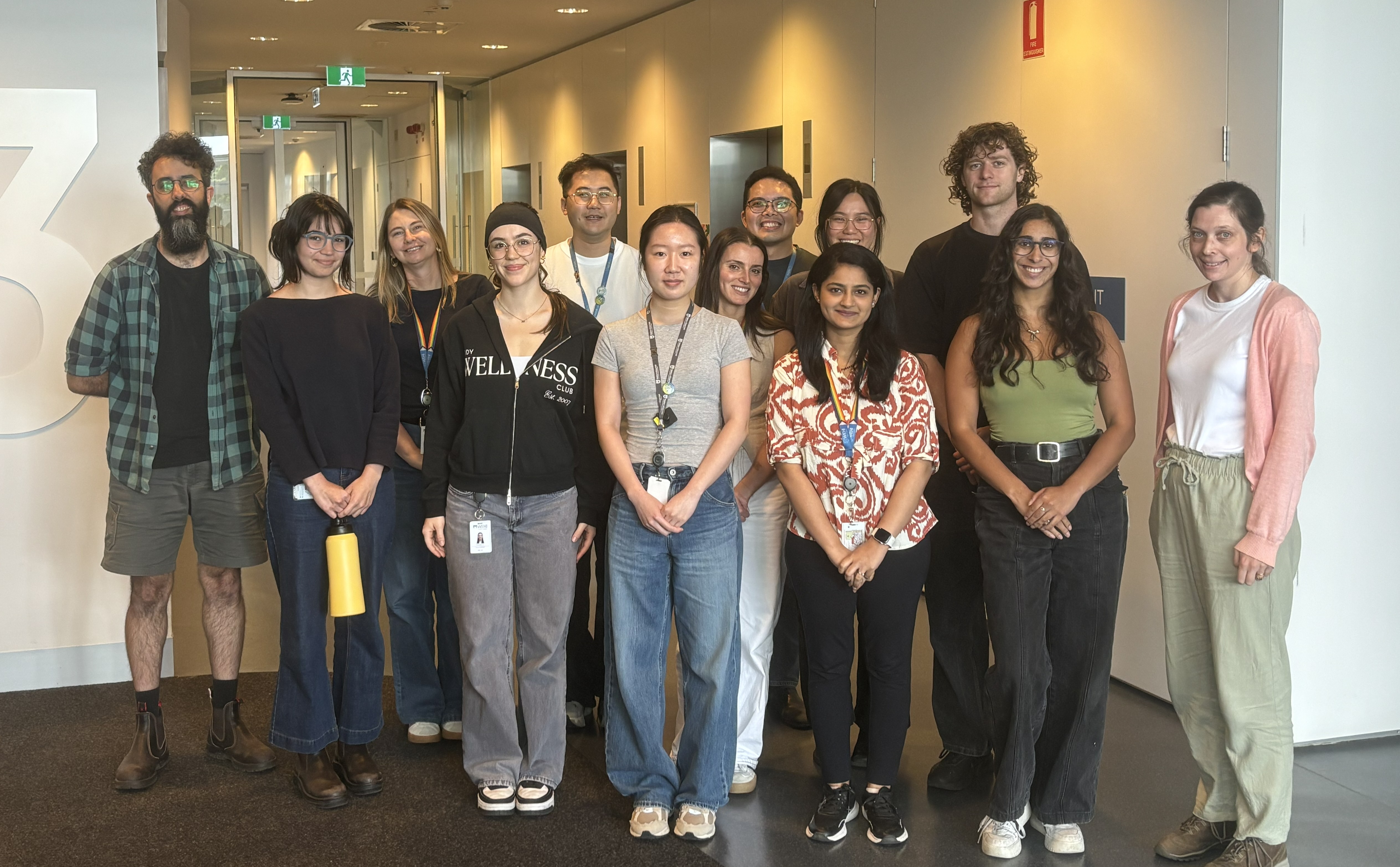
The Kelly Lab
Each month, Simply Blood spotlights a lab contributing to the fields of hematology, immunology, stem cell research, cell and gene therapies, and more. Get to know groups doing cutting edge research from around the world! This month, we are featuring the Kelly Lab out of WEHI, Australia.
How long have you had your lab?
Almost 7 years.
How many members make up your lab? Students/postdocs?
My lab consists of 5 students, 5 postdocs and 3 research assistants.
What is the major research theme of your lab?
Finding new therapies for aggressive lymphoma patients, with a focus on TP53 and intrinsic apoptosis.
What is the most exciting project in your lab right now?
We have developed some highly novel pre-clinical mouse models to study the role of mutant TP53 in cancer progression and responses to therapy. These models allow us to switch the TP53 gene state (between wild-type, mutant and knock-out) in pre-malignant and malignant cells at will, allowing us to discover new therapeutic approaches for TP53 mutant lymphoma.
What's your best approach to mentoring students in the lab?
I believe it is important to take the time to get to know the students in your lab and to maintain an open-door policy. A PhD can be challenging, so understanding what motivates each student and being approachable allows you to support them effectively. When students feel comfortable discussing ideas, challenges, or concerns, it creates a supportive environment that helps them ultimately succeed.
What facilities or equipment does your lab absolutely depend on?
My team are experts in CRISPR screens (gene knockout and activation) to look for therapy resistance factors and biomarkers of sensitivity to anti-cancer drugs in blood cancer cells. So, we couldn’t live without sgRNA libraries and Next Gen Sequencers.
What advice do you have for new investigators just opening their lab?
Invest in research questions that genuinely interest you, so that when challenges arise you can remind yourself why answering them matters. Balance shorter-term projects that allow you to publish regularly with longer-term projects that build capacity and address harder problems.
Does your lab attend the ISEH annual meeting?
Yes we do! Two of the postdocs from my lab attended the 2025 meeting in Japan and I’ll attend the meeting this year in Frankfurt.
What is the most beneficial aspect of ISEH membership for your lab?
I really enjoy the annual meetings and find that they offer excellent scientific content, as well as many opportunities to network with colleagues from around the world. I also find the webinars to be of a very high standard.
How do members of your lab celebrate accomplishments?
We eat a lot of cake! Cake for birthdays, cake for publications, cake for grant success, any excuse for cake…
Does your lab have any fun traditions?
Each year I host the Christmas party for my lab at my home. Everyone brings a dish, usually something from their home country, which makes for a great mix of food and cultures. We also do a Santa Steal gift exchange, which can become quite competitive.
Blog post contributed by Megan Bywater, PhD of the ISEH Publications Committee.
Please note that the statements made by Simply Blood authors are their own views and not necessarily the views of ISEH. ISEH disclaims any or all liability arising from any author's statements or materials.